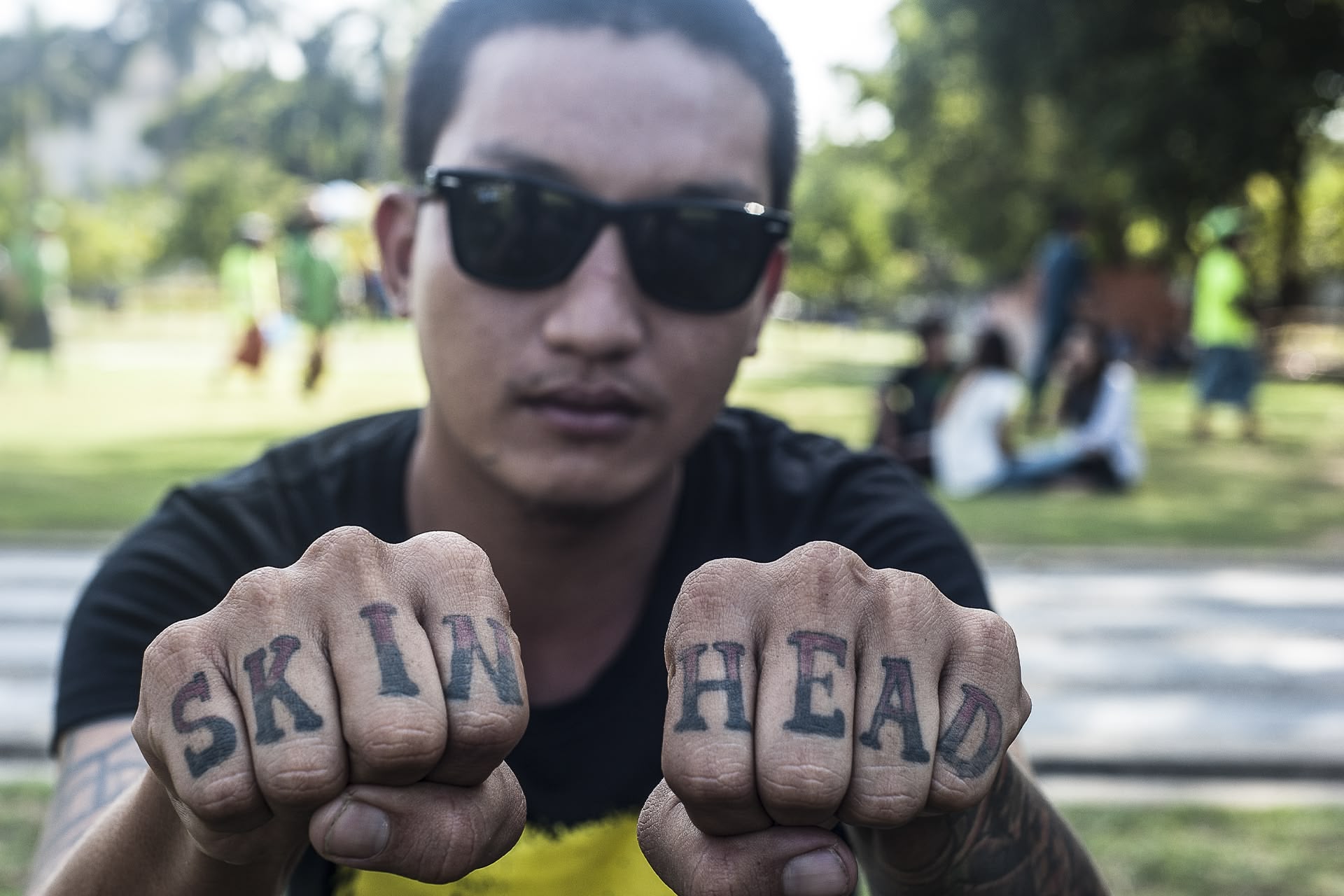
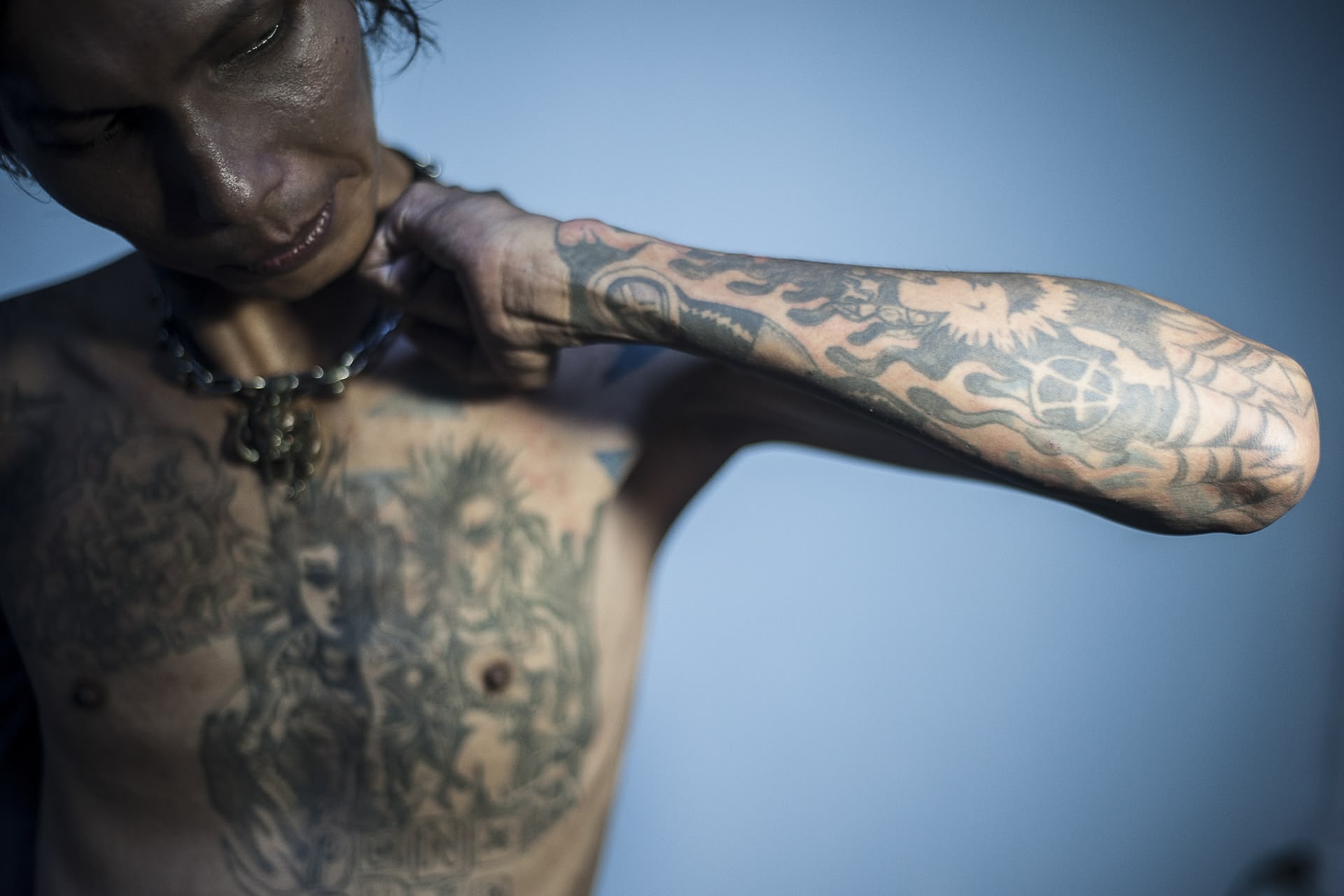
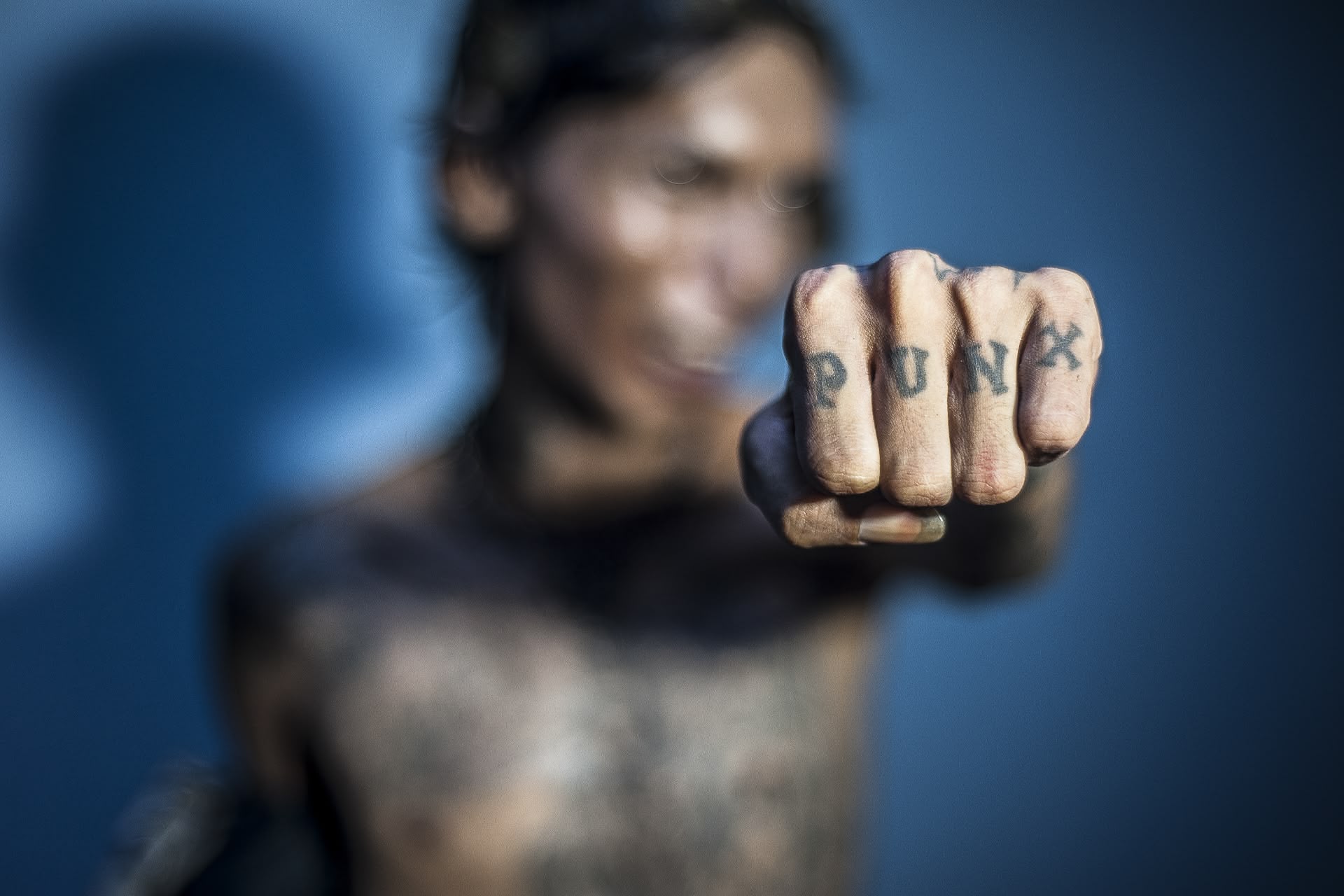
For Daniele Tamagni, exploring and documenting the punk style of Burma constituted a new direction.
In his pioneering work among the dandies and grandes dames of Cuba and Africa, he gave us the blindingly vivid local interpretations of high fashion and the look of the well-heeled man-about-town-the style of the white colonial ruling class, but exaggerated, stylized, and reinterpreted in the hallucinogenic colours and materials of the tropics.
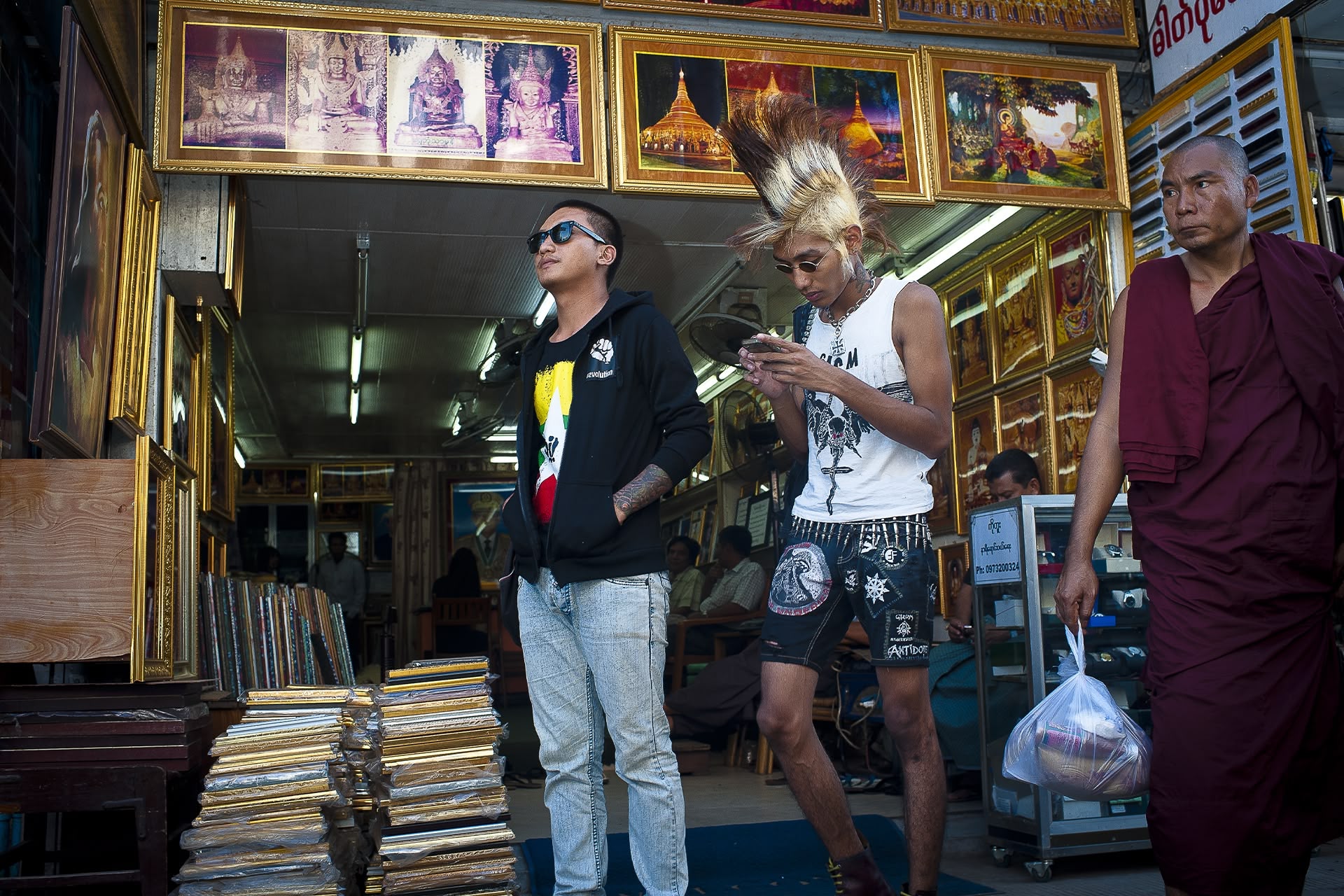
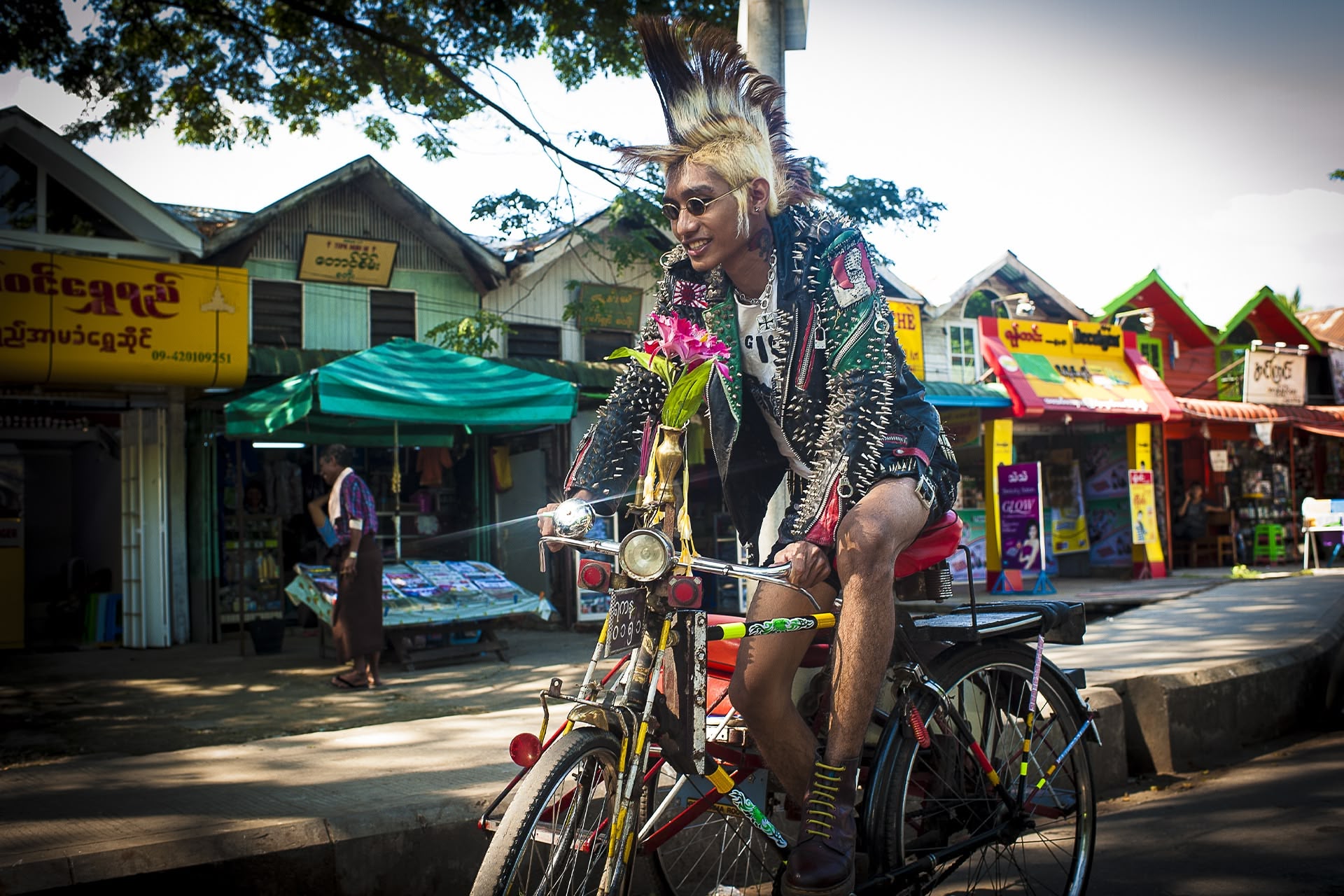
In Burma the subject matter was completely different. Here were young, urban Burmese with no interest in aping or subverting the foreign dandy look but inspired instead by the English punks of the mid-1970s—whose style was an antistyle, just as their music was anti-music. Deliberate ugliness, excess without elegance, slashed holes, rampant safety pins, clothes that were too big or too small, bought second hand in rummage sales-everything about the original punks said, Do your eyes a favor, look the other way.
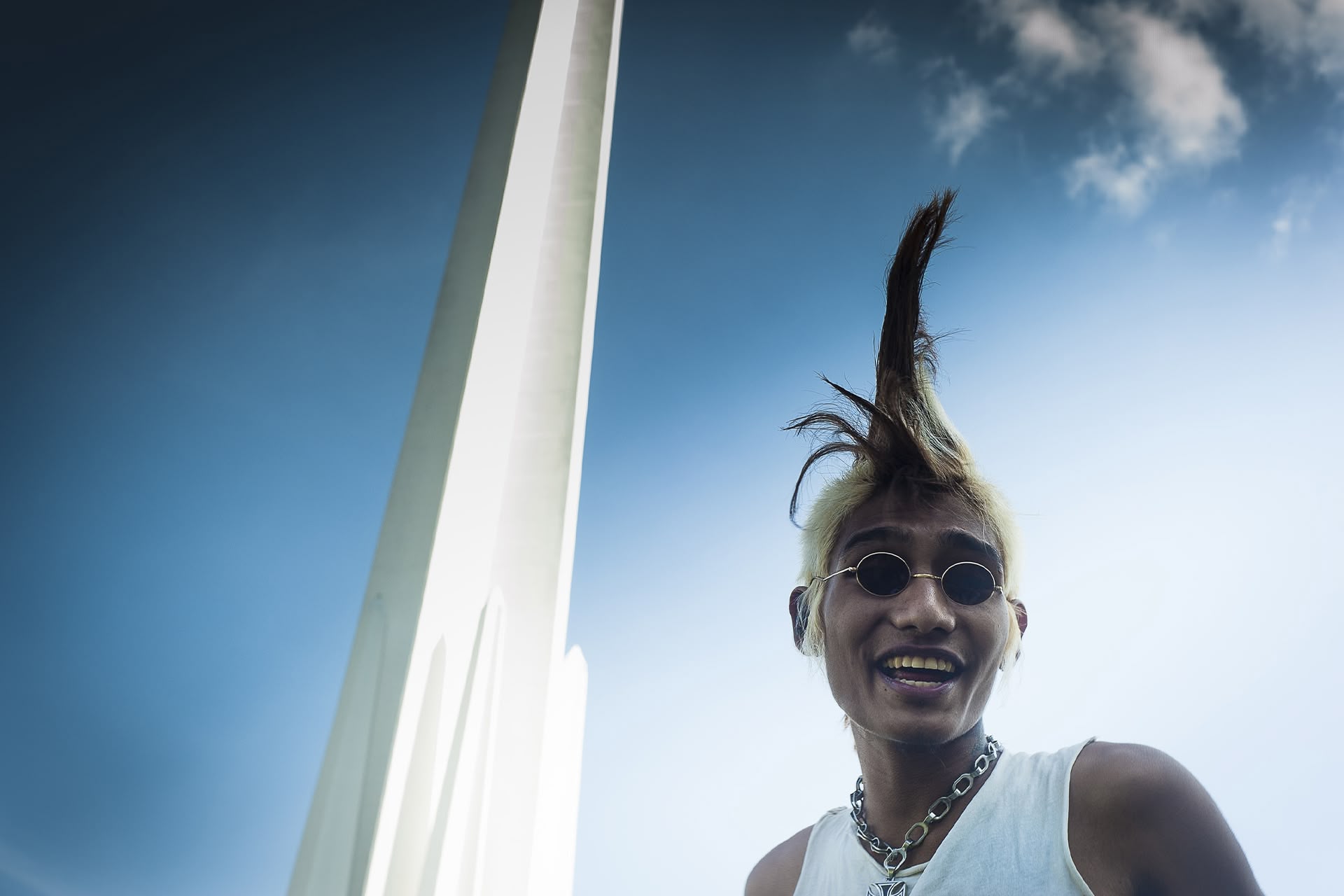
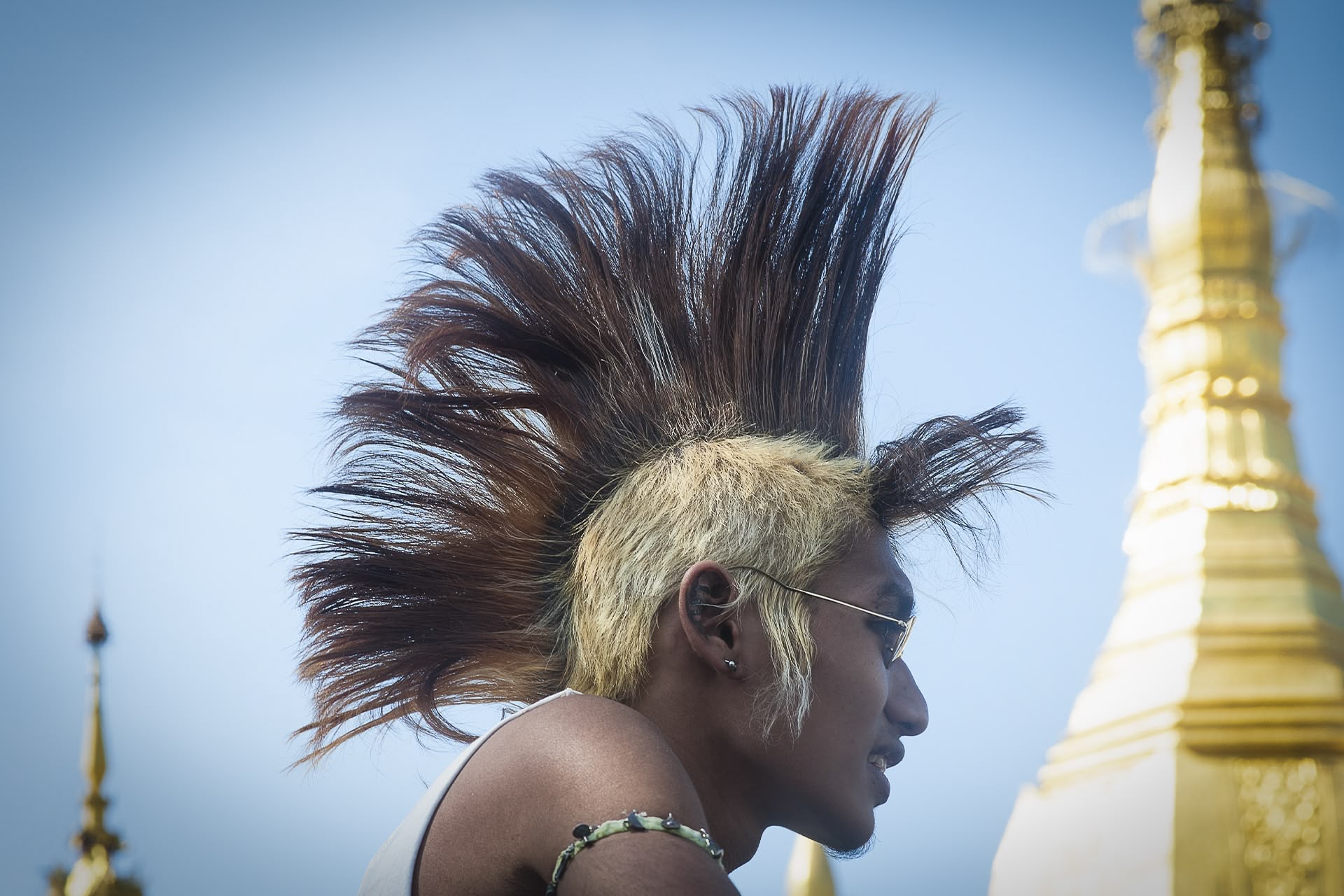
The punk movement was a huge middle finger to the world. This was the style the punks of Rangoon and other Burmese cities embraced. As in the UK, there was a political context: fifty years of repressive military rule, accompanied by economic austerity, pervasive surveillance, and official paranoia, all overlying a pious Buddhist culture bent out of shape by nearly a century of colonialism punctuated by war. …Punk began to emerge in Burma around the time of the Saffron Revolution of 2007, when huge processions of barefoot monks pounded city streets all over the country in defiance of military rule. It was a watershed moment for the democracy movement, and despite the vicious way it was brought to an end, it lent courage to dissenters of every sort, the punks among them. Take Satt Mhu Shein, Tamagni's favorite subject, who has adopted the name Einstein MC King Skunk. He boasts the typically punk mohawk haircut but has dyed it blond as it approaches his scalp... Burma remains a highly conservative society, and Einstein's look is guaranteed to have an effect. In one of Tamagni's photographs, his blond mohawk forms a visual counterpoint to the golden pagoda of Shwe-dagon, Burma's most famous and revered Buddhist monument.
During the shoot, the police pounced. "They arrested me for having the picture taken there. But Buddha didn't say anything about hair, so why arrest me?".
PETER POPHAM
London, 2014
Excerpts from “Fashion Tribes” book.
[CLOSE]